

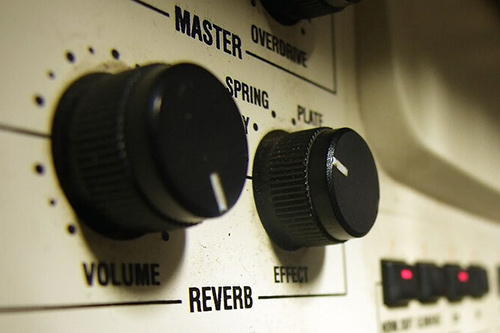
Reverb is one of the most powerful tools in audio production. It gives recordings a sense of space, depth, and realism, transforming dry tracks into immersive mixes. However, reverb is also one of the easiest effects to misuse. Adding too much or too little reverb can drastically affect how a mix is perceived, especially when it comes to vocals and key instruments. At Select Recording Studios in North London, careful use of reverb and cutting-edge techniques ensure that every mix sounds balanced, engaging, and professional.
Ambient environment Effect
Reverb simulates how sound behaves in a physical space, whether that’s a small room, a large hall, or an atmospheric ambient environment. When used correctly, it helps vocals sit naturally in the mix and allows instruments to feel connected rather than isolated. It can add emotion, width, and polish, making a track feel complete. But when reverb choices aren’t handled carefully, the results can work against the song.
One of the most common issues in the recording studio when mixing is using too much reverb. While heavy reverb can sound impressive in isolation, it often pushes vocals or instruments too far into the background. Vocals, in particular, can lose clarity and presence, making it harder for listeners to connect with the lyrics or emotion of the performance. Excessive reverb can blur transients, reduce impact, and create a washed-out sound where elements compete rather than complement each other.
Avoid The Mud
Too much reverb can also reduce the overall punch of a mix. Drums may lose their attack, guitars can become muddy, and bass instruments can lose definition. In dense arrangements, excessive reverb builds up quickly, especially in the mid and low frequencies, resulting in a mix that feels unfocused and distant. What may start as a creative choice can quickly turn into a technical problem that’s difficult to fix later.
Add Some 'Spark'
On the other end of the spectrum, using too little reverb can be just as problematic. A mix with insufficient reverb often sounds dry, flat, and lifeless. Vocals may feel like they are sitting “on top” of the track rather than inside it, and instruments can sound disconnected from one another. Without any sense of space, a mix can feel unnatural, particularly in genres where atmosphere and depth play a key role.
A lack of reverb can also make a mix feel smaller and less professional. While ultra-dry mixes can work in specific styles, most productions benefit from at least subtle spatial effects. Even minimal reverb, when applied correctly, can add cohesion and realism, making the track more enjoyable and engaging to listen to.
The Right Amount Of Reverb
The key to successful reverb use lies in balance and intention. Reverb should enhance the song without drawing attention to itself. This often means tailoring different reverbs for different elements, adjusting decay times, pre-delay, and tonal characteristics so that each sound has its own place in the mix. It also involves knowing when less is more and when a bolder approach serves the artistic vision.
Our engineer uses cutting-edge techniques to get reverb sounding just right in every scenario. This includes carefully controlling reverb with EQ and compression, using sends rather than inserts for better balance, and automating reverb levels to suit different sections of a song. By shaping reverb rather than simply adding it, mixes retain clarity while still benefiting from depth and atmosphere.
Modern production also allows for creative approaches, such as layering multiple reverbs, using short ambience reverbs for presence, or applying longer tails selectively for emotional impact. These techniques ensure that vocals remain upfront when they need to be, while still feeling part of a cohesive sonic environment.
Keeping Clarity In The Mix
Ultimately, reverb is about supporting the song’s message and emotion. Too much can push important elements into the background, while too little can strip a mix of life and character. Finding the sweet spot requires experience, critical listening, and a deep understanding of how space affects sound.
With the right expertise and tools, like those used at Select Recording Studios in London, reverb becomes a powerful creative asset rather than a mixing problem. When applied with precision, it brings mixes to life, giving them depth, clarity, and a professional finish that translates across all listening environments.