

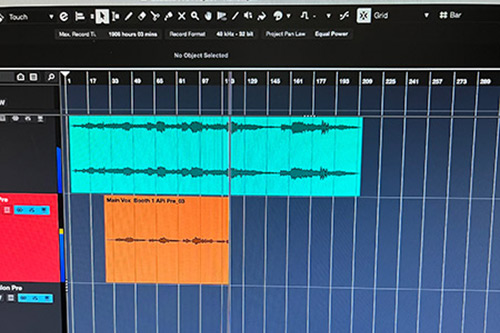
In today’s music industry, flexibility is everything. Artists collaborate across cities, countries, and time zones, and songs often evolve long after the final recording session ends. One common scenario is wanting to remix or rework a song at an alternative studio—perhaps in a different city or even another country. To make that process smooth, one crucial step is often overlooked: asking for the stems during your recording session.
Stems are grouped audio files—such as drums, vocals, instruments, or effects—that allow another engineer or studio to remix or further process your song without starting from scratch. Whether you plan to release remixes, explore different sonic directions, or simply keep your options open, requesting stems early can save time, money, and frustration later.
Plan Ahead and Communicate Early
The best time to talk about stems is before or during the recording session, not weeks or months later. Engineers usually work on tight schedules, and exporting stems requires extra setup, organization, and time. Letting the engineer know in advance that you want stems ensures they prepare the session properly and factor the export process into the workflow.
When you communicate this early, the engineer can also clarify whether the stems will be delivered dry (without effects like reverb, compression, or EQ) or with processing (exactly as heard in the mix). This decision matters because it affects how the song can be remixed later and how much time it takes to prepare the files.
Dry vs. Processed Stems: Know the Difference
Dry stems give the next engineer maximum creative control. They’re ideal if the song will be remixed at another studio or by a different producer who wants to apply their own sound. However, exporting dry stems may take more preparation, especially if effects are routed through buses or shared plugins.
Processed stems, on the other hand, reflect the original engineer’s creative choices. These are useful if you want the remix to stay close to the original sound or if the processing is essential to the identity of the track. Processed stems are often quicker to export, but they offer less flexibility down the line.
Knowing which option you want—and telling the engineer early—helps avoid confusion and delays.
Avoid Extra Charges by Timing It Right
One of the biggest advantages of requesting stems during the session is avoiding extra fees. If you ask for stems on a different day, the engineer may need to reopen the project, relink files, check routing, and re-export everything. That’s additional studio time, and most studios will charge accordingly.
Exporting stems can take anywhere from 20 minutes to over an hour, depending on several factors:
-
Whether the stems are dry or processed
-
The size of the project
-
The number of tracks and elements per song
-
Session complexity (automation, effects chains, routing)
By handling this at the end of the recording session, you’re already paying for studio time, and the engineer is still fully familiar with the session. This makes the process faster and more cost-effective.
Session Size Matters
A small acoustic song with vocals and guitar will export quickly. A full production with layered vocals, multiple instruments, effects returns, and automation can take significantly longer. Each stem must be checked for accuracy to ensure it starts at the same point, lines up correctly, and plays back without issues.
That’s why engineers appreciate advance notice. It allows them to budget the necessary time and ensure you receive clean, professional files that another studio can easily work with.
Working Across Studios and Borders
If your goal is to remix or finalize the song at another recording studio—especially one in a different city or country—stems are essential. They eliminate compatibility issues between DAWs, plugins, and hardware setups. Instead of sending an entire session that may not open correctly, stems provide a universal solution.
This is particularly important for international collaborations, where time zone differences and studio schedules can make repeated revisions difficult.
Final Thoughts
Asking for stems isn’t just a technical detail—it’s a strategic move. It protects your creative freedom, saves money, and keeps your project moving forward without unnecessary delays. By informing the engineer during the recording session and deciding whether you want dry or processed stems, you avoid last-minute stress and extra charges later.
In short: plan ahead, communicate clearly, and take control of your recordings. Your future self and your remix engineer—will thank you.